
The Amphitheater of Bleso is located at the highest point of Tivoli, next to the Rocca Pia. Built in the 2nd century AD, the monument was discovered by chance during road works after World War II. Unfortunately the gate around it obstructs a comprehensive view from outside.
A brief history of the Amphitheatre of Bleso in Tivoli
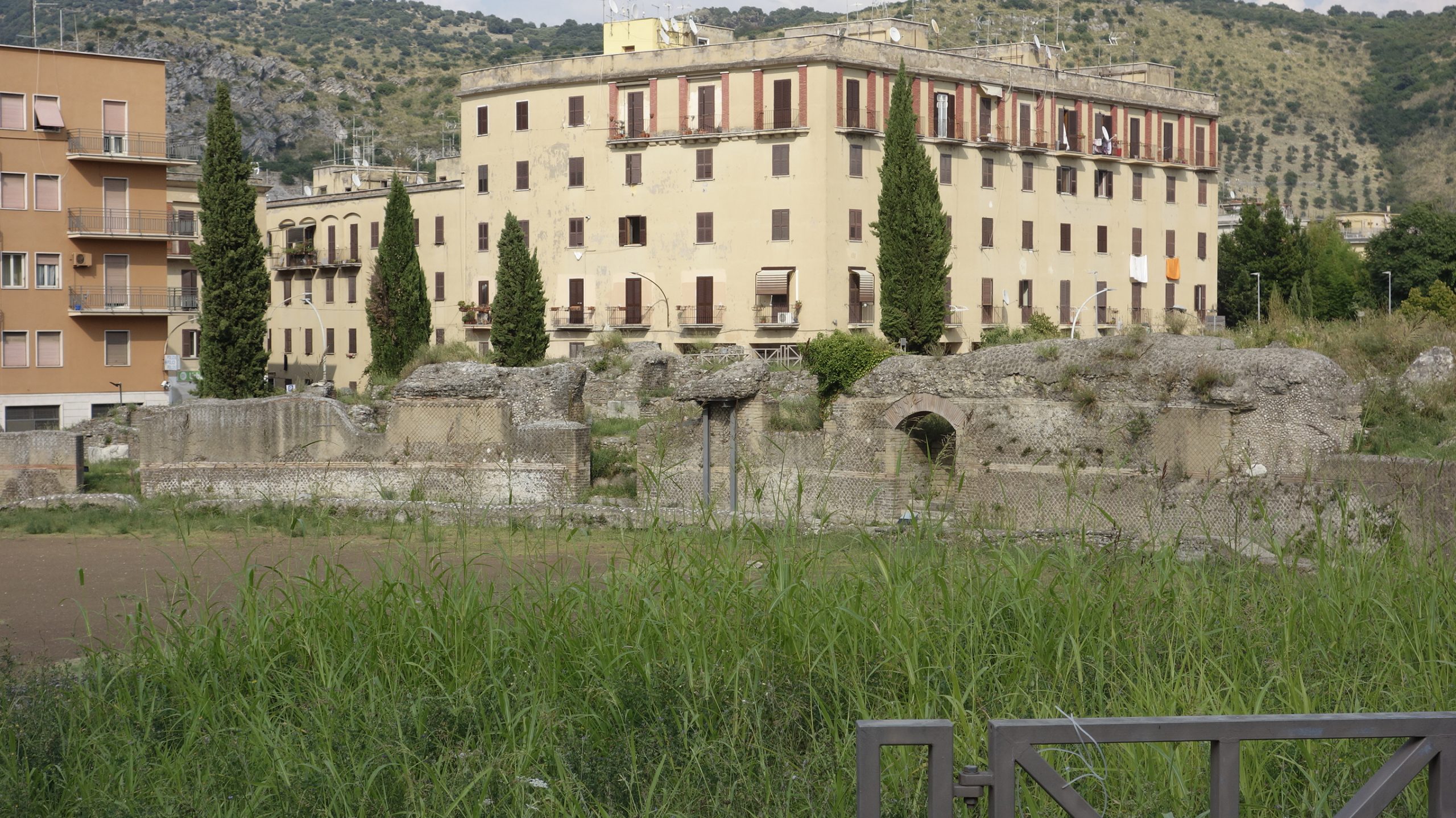
The ruins of the Roman Amphitheater of Tivoli were discovered in 1948, but excavations were not completed until much later. Although medieval registers of the abbeys of Subiaco and Farfa made mention of the Amphitheater, the monument was only found by chance during the construction of a road.
The elliptical monument was primarily used for gladiatorial fights.
It probably dates back to the 2nd century AD. An inscription mentions one M. Tullius Blesus, who is said to have bid 200 thousand sesterces for its construction. A second inscription mentions M. Lurius Lucretianus who is supposed to have organized gladiator, as well as animal, fights there in 184. This practice of hunting and killing of wild animals in Roman amphitheaters was called venatio.
The amphitheater was partly destroyed when Pope Pius II had the Rocca Pia constructed in 1461. Although the castle was not built exactly on top of the amphitheater, its tallest walls needed to be torn down in order to not obstruct the view from the Rocca.
What to see
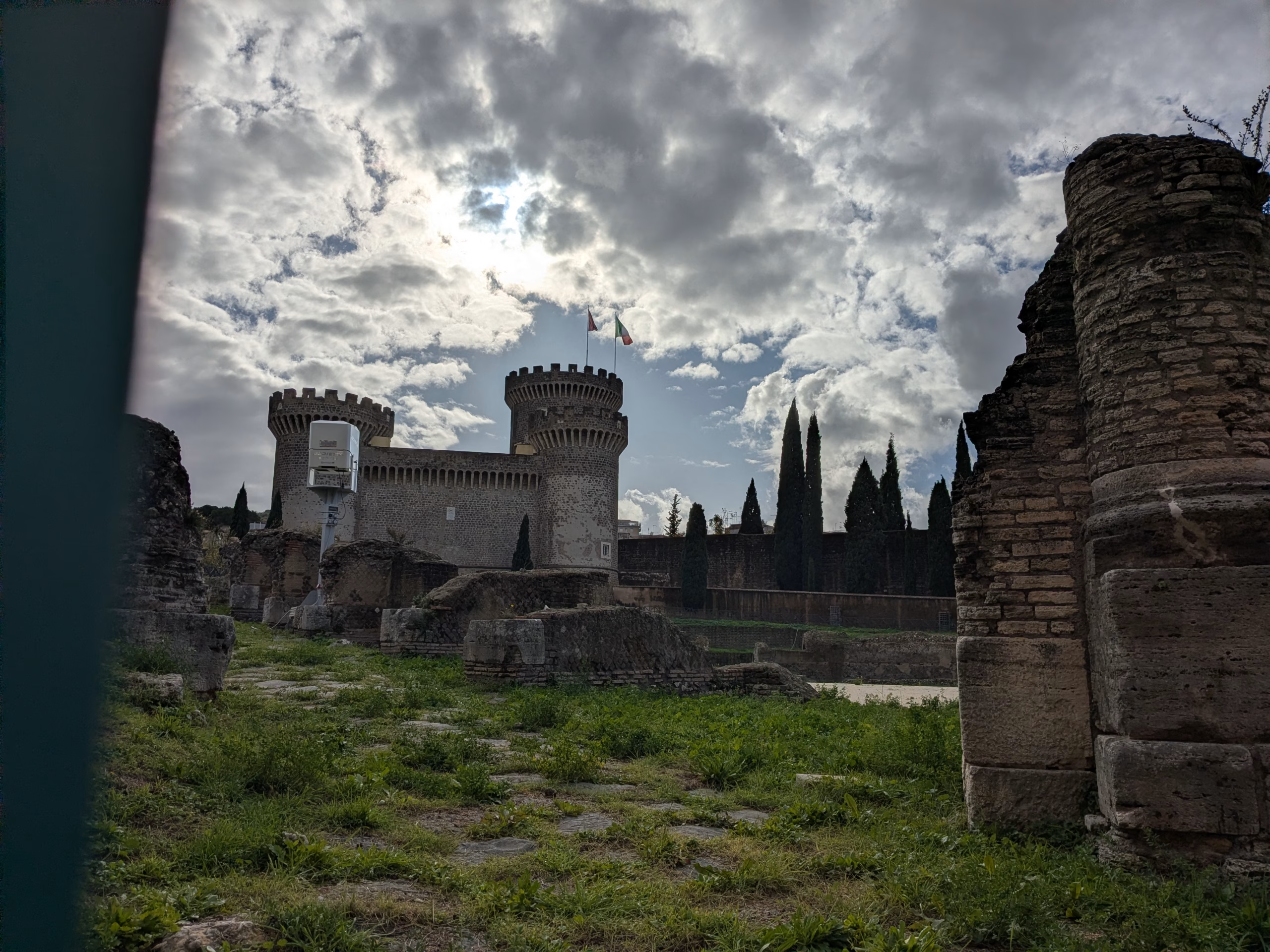
The arena itself has a length of 60 and a width of 40 meters. Circling it is a walkway more than two meters wide. A section of the 12-meter-high stairs has been preserved. The total length of the monument is 90 meters and the width 50 meters.
Address, opening hours and entrance fee
Address: Via Aldo Moro, 9 – Tivoli (tel. +39 0774 4531). Opening hours: From 09:00 to 19:00. Closed: March to May and September to November. Entrance fee: Free of charge.
Bleso Amphitheater, Tivoli
Sources
- Brochures and map supplied by the tourist information office.
- Touring Club Italiano, Guida d’Italia – Lazio.
- Tivoli in code website.
- Photos are my own, unless otherwise indicated.
Leave a Reply