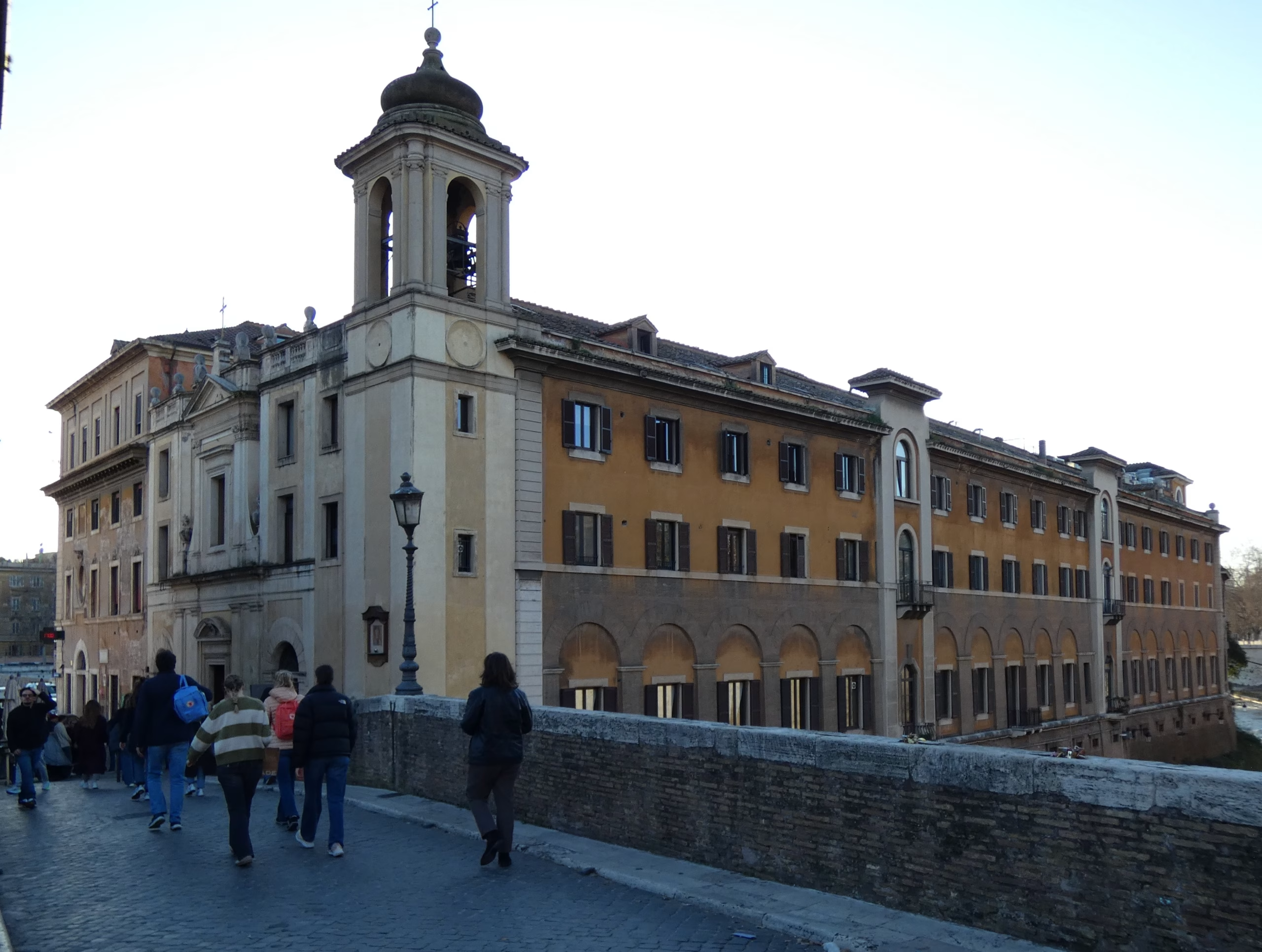
The church of San Giovanni Calabita is located near the Ponte Fabricio on the Tiber Island in Rome. Although in its current form dating back to the 16th century, there probably already was a church in this spot in the 5th century. The main attraction is a 13th century “Madonna della Lampada”.
A brief history of the church of San Giovanni Calabita in Rome
The supposedly first version of the church was constructed on top of the sanctuary of Iuppiter Iurarius. Of this sanctuary, no traces have been found. After this church had been burnt down by Genseric (King of the Vandals), it was reconstructed in 464.
The oldest document referring to the church dates back to 1018. Its current version was constructed toward the end of the 16th century, on top of the old church. In the 17th and 18th centuries, several renovations, including the facade (1711) and the interior (1742) took place.
The remains of San Giovanni Calabita and relics of other saints from Porto were found during the 16th century reconstruction.
The Ospedale Fatebenefratelli attached to the church was founded by the order itself.
What to see in the Church of San Giovanni Calabita
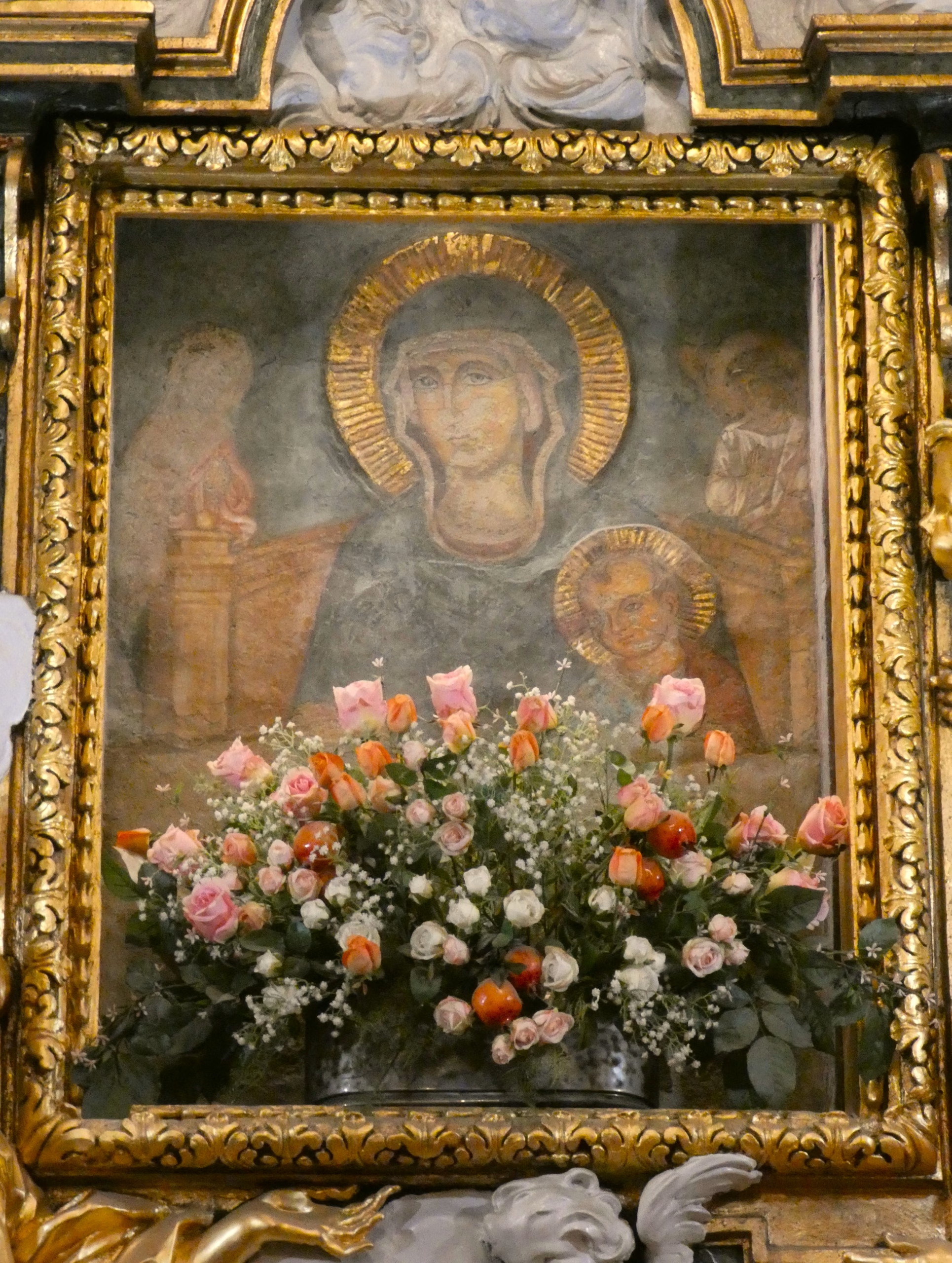
The main point of interest is the so-called “Madonna della Lampada”. This 13th century image used to be placed on the river bank outside the church. In 1557, the effigy and the lamp lighting it were submerged during a flood. The lamp kept miraculously burning under water and the effigy became an object of devotion. It is now place in the first chapel on the right, while another version has been attached to the facade.
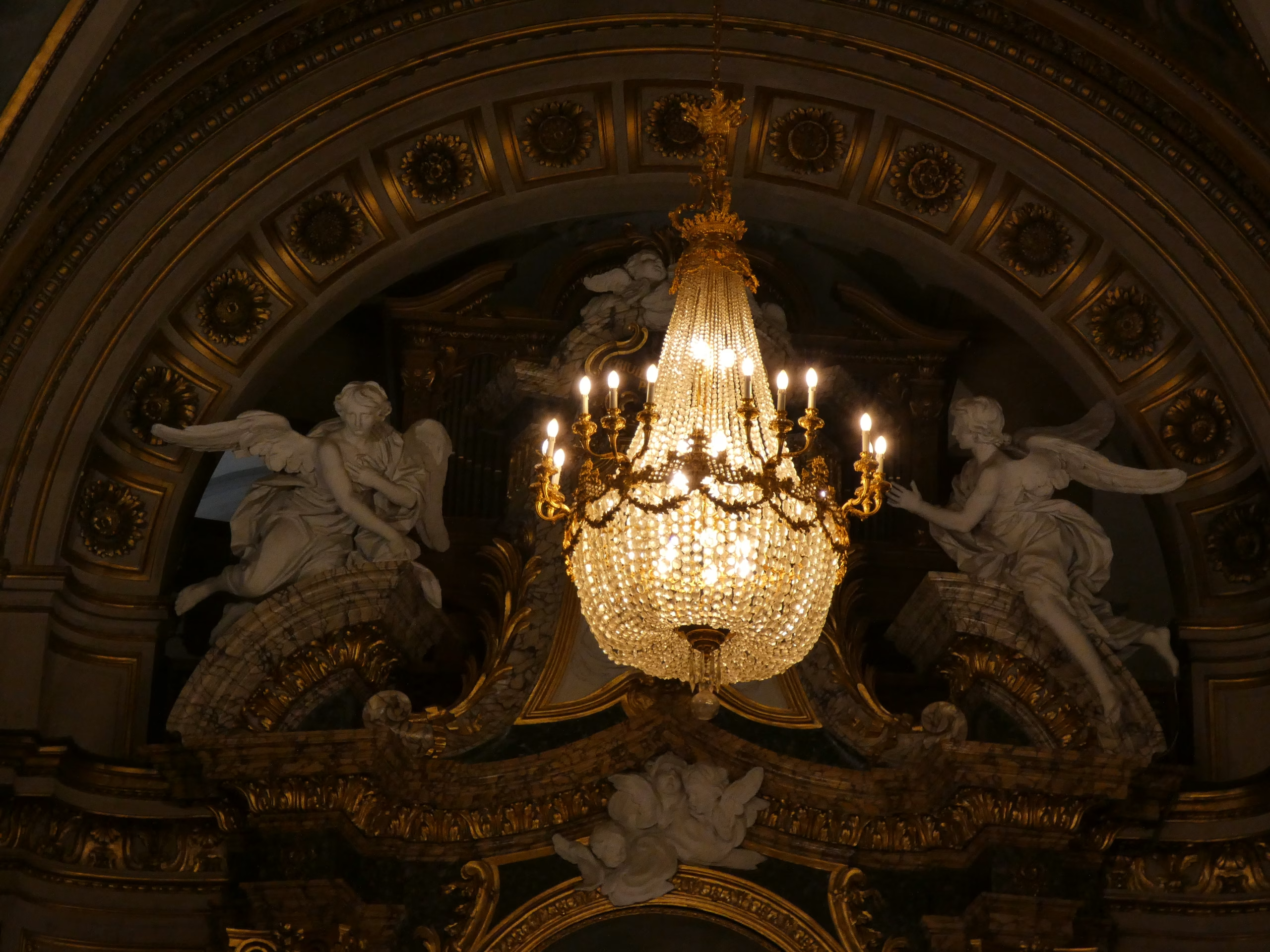
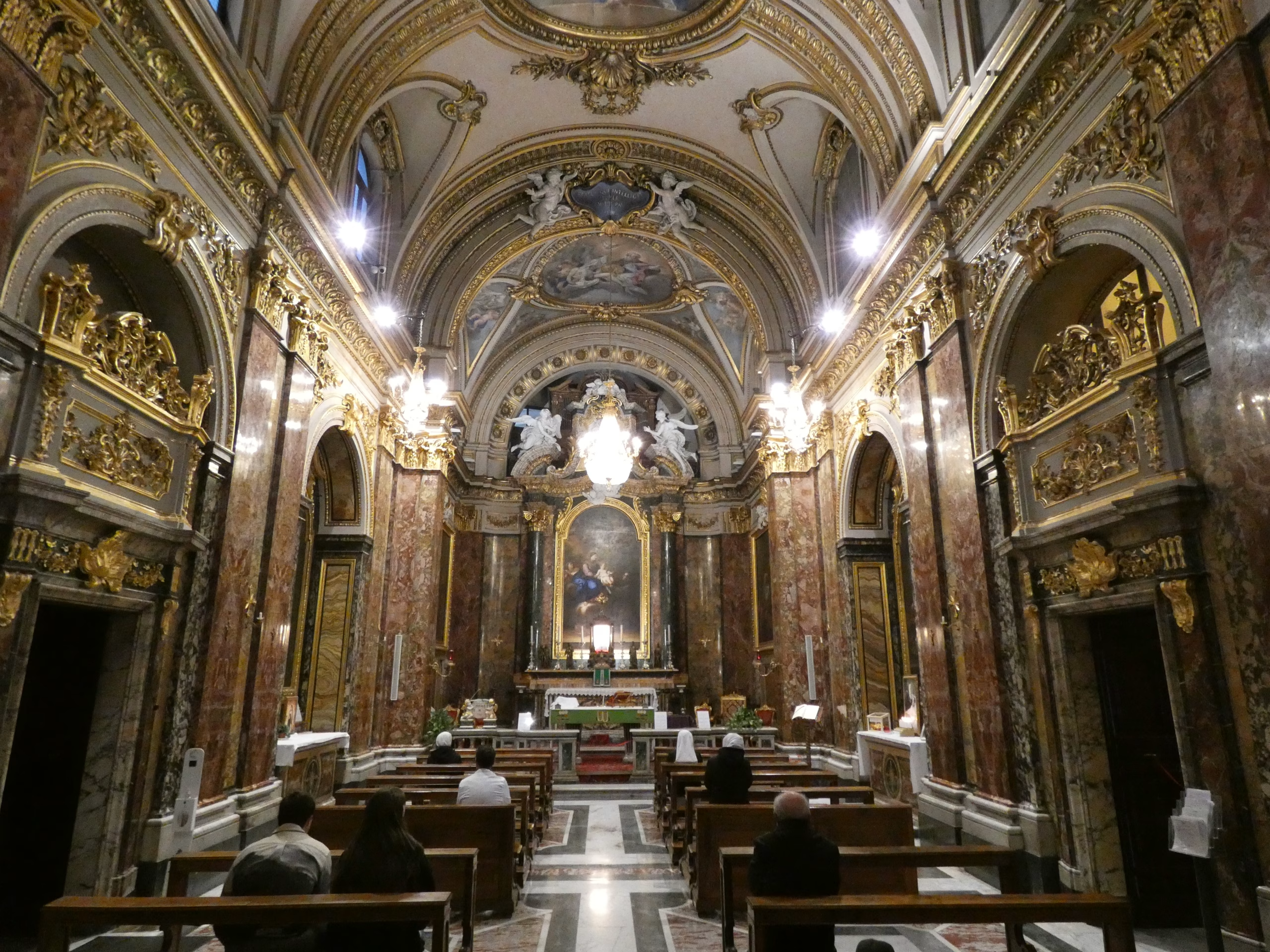
The high altar houses a statue of Saint Giovanni Calibita, depicted with the symbols of his humility and dedication. The saint’s relics are preserved below the altar. The painting depicts “The Virgin Presenting the Child to St John of God”. Andrea Gennaroli‘s original (c. 1650) was enlarged by Corrado Giaquinto in 1741.
Giaquinto was responsible for many paintings and frescoes decorating the interior. The paintings include the “Martyrdom of Saint Martha” (1740-1742), “Saint Herculanus, Saint Hippolytus and Saint Taurinus” (1741), and “Saint Anthony the Abbot in Adoration” (1736-1742). The ceiling fresco depicts “Charity and the Assumption of San Giovanni di Dio and the Trinity in Glory” (1740-1741).
“The Death of St. John Calybite” was the work of Giovanni Battista Lenardi qnd dates from the 17th century.
The saint
Saint John Calybite, or John the Hut-Dweller, was a Byzantine saint born into a wealthy family in Constantinople around 469 AD. When he was twelve, he constructed a small hut (calybe) , where he lived as a hermit for six years devoted to prayer and penance. He returned home, desguised as a beggar. Although his parents did not recognize him, they did house him in a small hut on their property. After his death (550 AD), his mother discovered his identity through a book he had written.
What to know before your visit
The official address is Piazza di San Bartolomeo all’Isola, 39. The church is only open during Mass. Phone: (+39) 06 6837342.